
Thin Lips
HEADER IMAGE
HEADER IMAGE — MOBILE
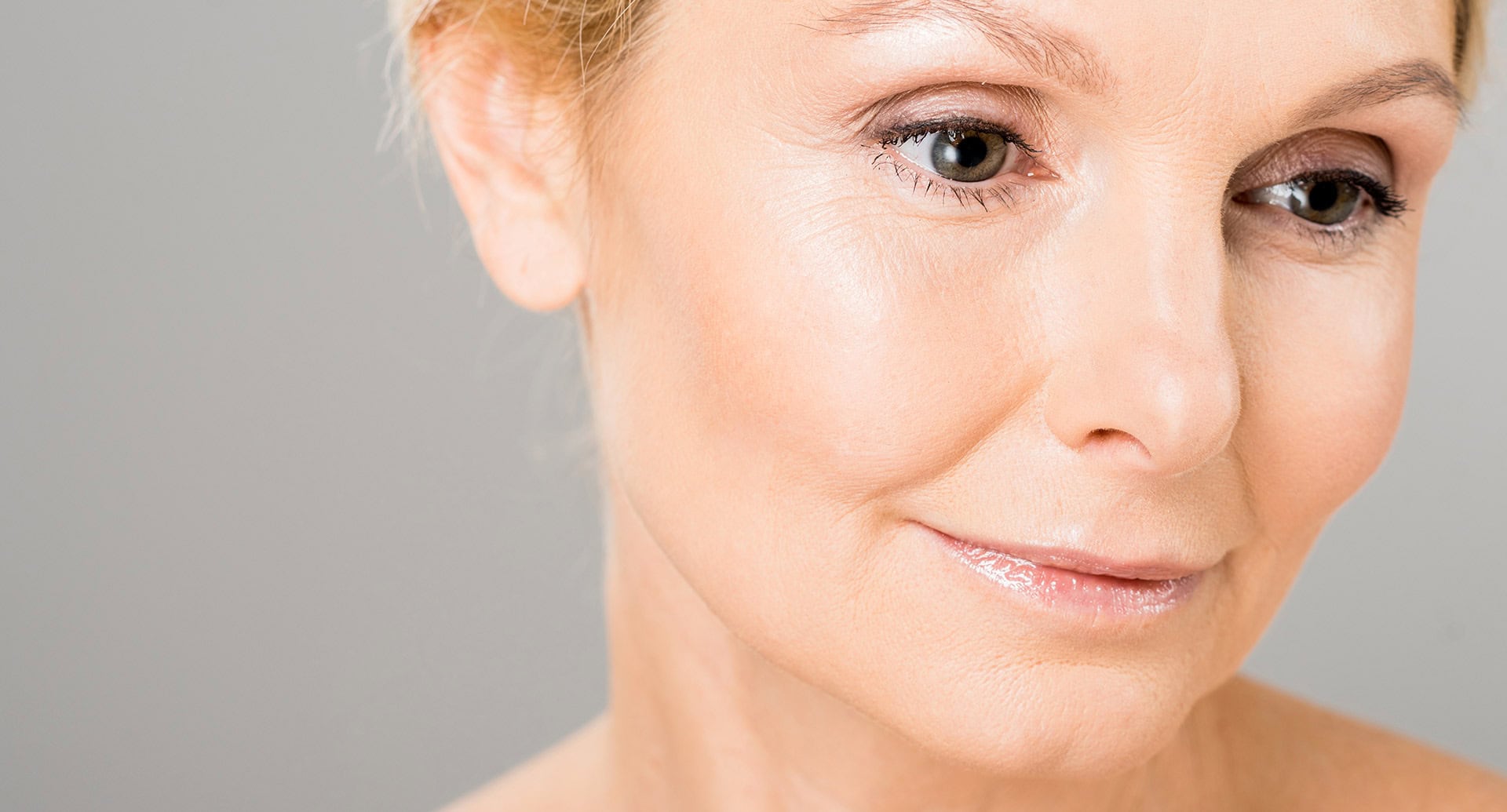
LIP ENHANCEMENT IN MORPETH
Thin Lips
Lip shape and volume vary naturally from person to person. Some people have naturally thinner lips, while others notice a gradual loss of volume and definition with age. The lips may also become drier, and fine lines can develop around the mouth.
Whether you would like to enhance your natural lip shape or address changes that have occurred over time, treatment should be guided by your individual features and desired outcome. The aim is to create balance and definition while maintaining a result that feels natural to you.
A considered approach to lip enhancement
Hyaluronic acid (HA) dermal fillers can be used to add volume, refine lip shape and improve definition. The amount of filler and the approach used will depend on your natural lip proportions, facial features and individual goals.
At SG Aesthetics, Sarah takes a careful, personalised approach to lip enhancement, with an emphasis on proportion and natural-looking results rather than simply adding volume. A consultation provides an opportunity to discuss your expectations, assess suitability and establish the most appropriate treatment plan.
Looking after your lips with suitable moisturising products and sun protection can also help maintain skin comfort and condition.
Recommended Treatment
Hyaluronic Acid (HA) Lip Fillers
Hyaluronic acid lip fillers can help enhance lip volume, improve definition and refine the shape of the lips. Treatment is tailored to your natural anatomy and desired result, with the aim of achieving balanced, natural-looking enhancement.
Your recommended treatment will be discussed during a consultation, following an individual assessment of your concerns and suitability.


Facial Lines, Wrinkles & Folds
HEADER IMAGE
HEADER IMAGE — MOBILE

FACIAL REJUVENATION IN MORPETH
Facial Lines, Wrinkles & Folds
Facial lines, wrinkles and folds develop through a combination of factors, including changes in skin quality, collagen loss, facial volume loss and repetitive muscle movement.
Bunny lines are the small creases that appear along the sides of the nose, often when smiling or scrunching the nose. Nasolabial folds, sometimes called smile lines, run from the sides of the nose towards the corners of the mouth. Marionette lines extend downwards from the corners of the mouth towards the chin and can become more pronounced as the face changes with age.
A considered approach to facial lines, wrinkles and folds
At SG Aesthetics, we take a personalised, evidence-led approach to facial rejuvenation, recognising that different concerns require different treatments. Options may include dermal fillers, anti-wrinkle injections, Sculptra®, radiofrequency microneedling, polynucleotides, medical-grade chemical peels and medical-grade homecare products.
During a consultation, Sarah will assess your concerns and discuss which options may be suitable for you. Our aim is not simply to soften visible lines and folds, but to address the underlying causes of facial ageing, improve skin quality and restore a naturally refreshed appearance — without compromising your individual facial characteristics.
Recommended Treatments
Anti-Wrinkle Injections
Anti-wrinkle injections can help reduce the appearance of bunny lines by relaxing the muscles responsible for creating them. Suitability depends on your facial movement and individual anatomy. Other lines and folds around the nose and mouth may require a different treatment approach.
Your recommended treatment will be discussed during a consultation, following an individual assessment of your concerns and suitability.
Non-Surgical Rhinoplasty
HEADER IMAGE
HEADER IMAGE — MOBILE
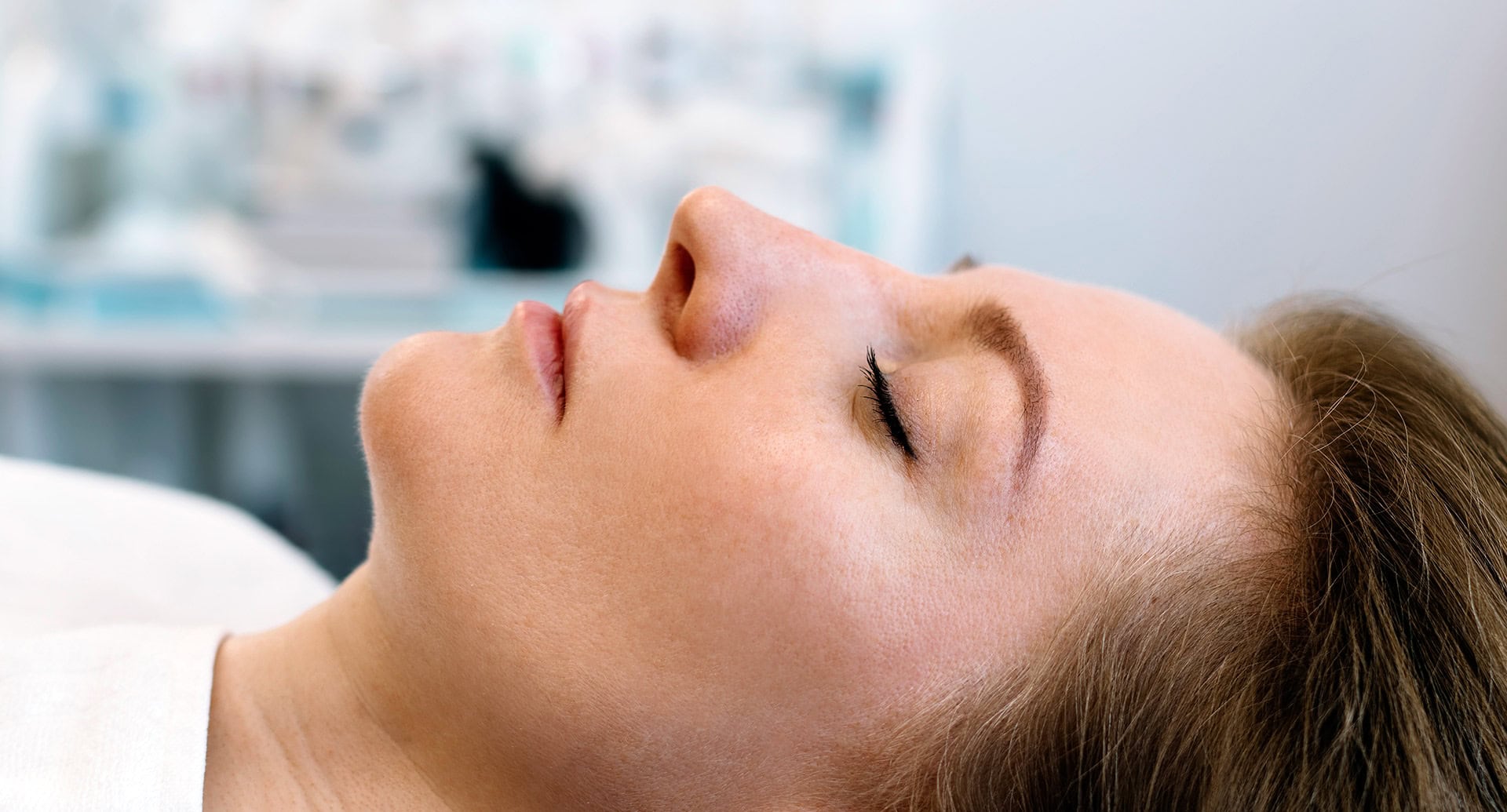
NON-SURGICAL RHINOPLASTY IN MORPETH
Non-Surgical Rhinoplasty
Non-surgical rhinoplasty uses hyaluronic acid dermal filler to refine the appearance of the nose without surgery. By carefully adding volume to selected areas, it may help soften the appearance of a small bump, improve the appearance of minor asymmetry or create a more balanced nasal profile.
Unlike surgical rhinoplasty, this treatment does not reduce the size of the nose or correct structural or breathing problems. Instead, it works by adding volume to selected areas to alter the way the nose appears. Results, while temporary, can last up to a year and the treatment is not suitable for everyone.
A considered approach to non-surgical rhinoplasty
If it is the shape of your nose, rather than its size, that is causing concern then a non-surgical rhinoplasty is an excellent, affordable option for those who want to change the shape of their nose without invasive surgery, as there is no excessive downtime, no general anaesthetic and no prolonged healing. The patient retains complete control over the procedure, as they are able to see the results unfold as the injections are administered.
During a consultation, Sarah will assess your nasal structure, discuss your concerns and explain whether non-surgical rhinoplasty may be appropriate. She will also discuss the potential benefits, limitations and risks, helping you make an informed decision about your options.
Recommended Treatments
Dermal Fillers
Hyaluronic acid dermal fillers may be used to refine the appearance of the nose by adding volume to selected areas, helping to soften certain contours or improve the appearance of minor asymmetry. Suitability depends on your individual anatomy, desired outcome and medical history.
Your recommended treatment will be discussed during a consultation, following an individual assessment of your concerns and suitability.
Enlarged Pores
HEADER IMAGE
HEADER IMAGE — MOBILE
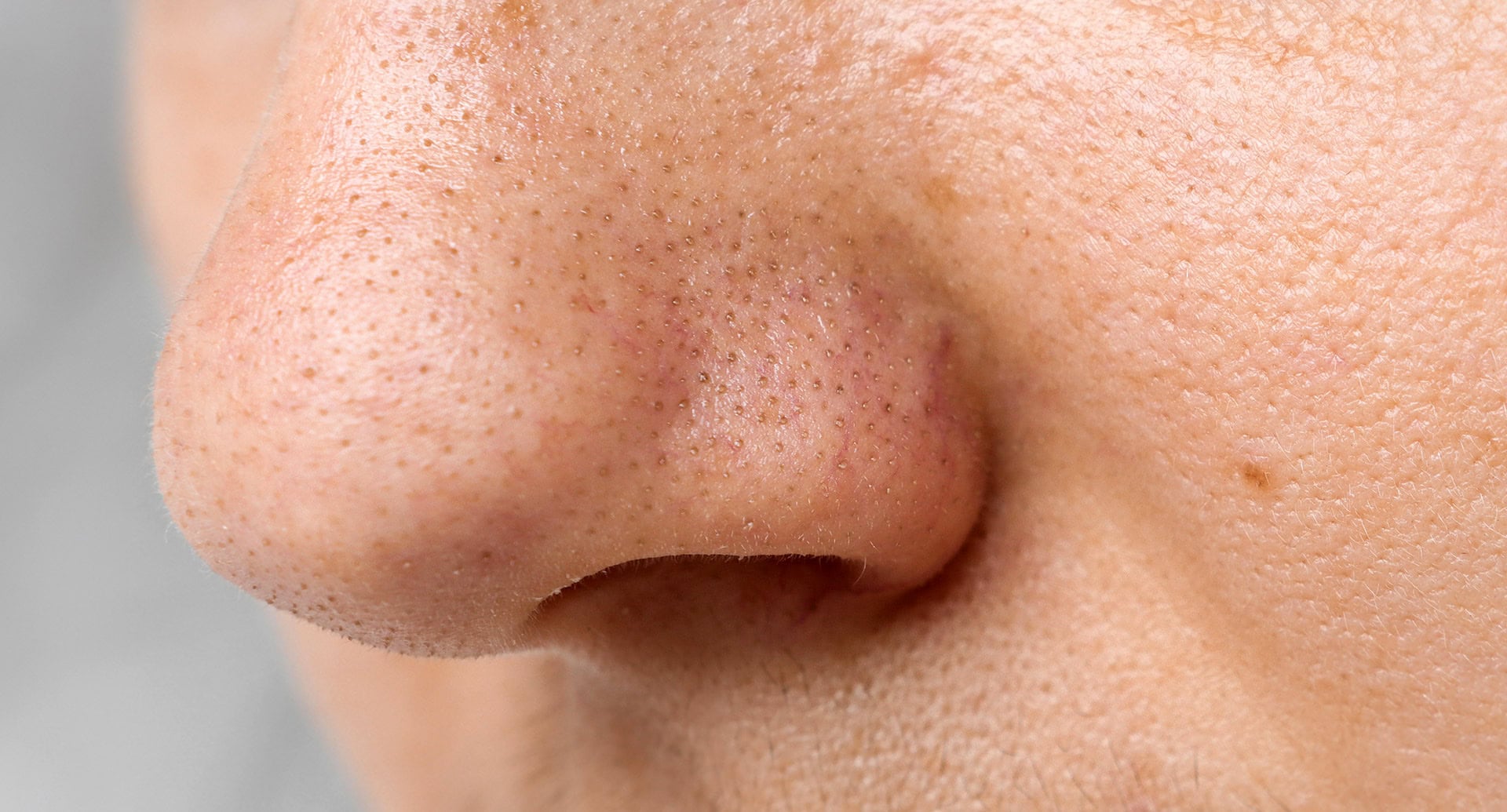
ENLARGED PORES TREATMENT IN MORPETH
Enlarged Pores
Enlarged pores are a common skin concern, particularly around the nose, where they can appear more prominent and affect the overall texture of the skin. Pore size is influenced by genetics, skin type and oil production, while ageing and changes in skin elasticity can make pores appear more noticeable over time.
When excess oil, dead skin cells and other debris accumulate within pores, they can become congested and contribute to blackheads and blemishes. Although pores are a natural and necessary part of healthy skin, the right skincare and professional treatments may help improve their appearance and create a smoother-looking complexion.
A considered approach to enlarged pores
The most appropriate treatment depends on your skin type, the degree of congestion and the condition of the surrounding skin. Chemical peels may help exfoliate the skin and improve its texture, while Radiofrequency (RF) Microneedling can help improve skin texture and firmness by stimulating the skin’s natural collagen production.
During a consultation, Sarah will assess your skin and discuss which approach may be most suitable for your concerns. The aim is to improve the appearance of pores and overall skin texture, with realistic expectations and a treatment plan tailored to your individual needs.
Recommended Treatments
Chemical Peels
Professional chemical peels help exfoliate the skin and may improve the appearance of congestion, uneven texture and enlarged pores. The appropriate peel will depend on your skin type and individual concerns.
Radiofrequency (RF) Microneedling
RF microneedling combines microneedling with radiofrequency energy to stimulate collagen production. It may help improve skin texture, firmness and the appearance of enlarged pores over time. Suitability, treatment requirements and expected results will depend on your individual skin assessment.
Your recommended treatment will be discussed during a consultation, following an individual assessment of your concerns and suitability.
Hooded Lids
HEADER IMAGE
HEADER IMAGE — MOBILE
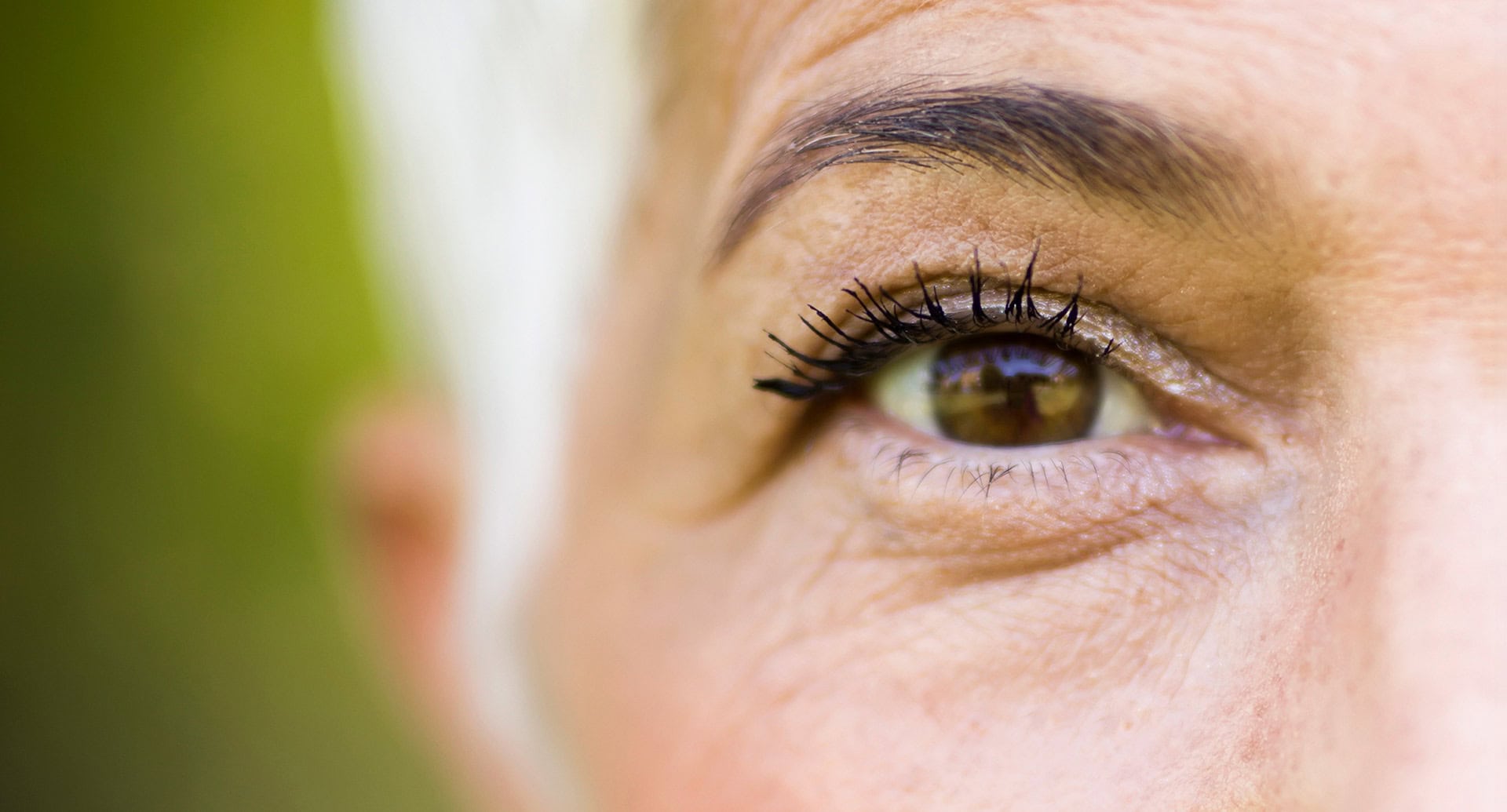
HOODED LIDS IN MORPETH
Hooded Lids
Hooded lids occur when excess skin or changes in the supporting tissues around the eyes cause the upper eyelid to appear less visible. This can be an inherited feature, but it may also become more noticeable with age as the skin gradually loses elasticity.
For some people, hooded lids are simply a natural feature of their appearance. For others, the change can make the eyes appear heavier or less open. In more pronounced cases, excess skin or eyelid drooping may also interfere with vision.
It is important to distinguish hooded lids from ptosis, a condition in which the upper eyelid itself droops. The causes and appropriate management can differ, so an accurate assessment is important before considering treatment.
A considered approach to hooded lids
The most appropriate approach depends on the cause and degree of hooding, as well as the condition of the skin around the eyes. Not all cases can be improved with non-surgical aesthetic treatments, and treatments aimed at softening wrinkles will not necessarily address excess skin or true eyelid ptosis.
During a consultation, Sarah can assess your concerns and discuss whether any suitable non-surgical options may help. Where the appearance of the eyelids may indicate a medical issue, or where vision is affected, medical assessment may be needed before aesthetic treatment is considered.
The aim is to provide clear, individual advice about what may be achievable and which approach is most appropriate for you.
Recommended Treatments
Brow Lift with Anti-Wrinkle Injections
Carefully placed anti-wrinkle injections may help create a subtle lifting effect around the eyebrows, making the upper eye area appear more open. The degree of improvement depends on your individual anatomy and brow position, and this approach will not remove excess eyelid skin or correct true ptosis.
Dermoplasma
Dermoplasma may be suitable for addressing selected skin changes associated with hooded lids. Suitability and potential results depend on the condition of the skin and the treatment area, following careful assessment by Sarah.
Your recommended treatment will be discussed during a consultation, following an individual assessment of your concerns and suitability.
Eye Wrinkles
HEADER IMAGE
HEADER IMAGE — MOBILE
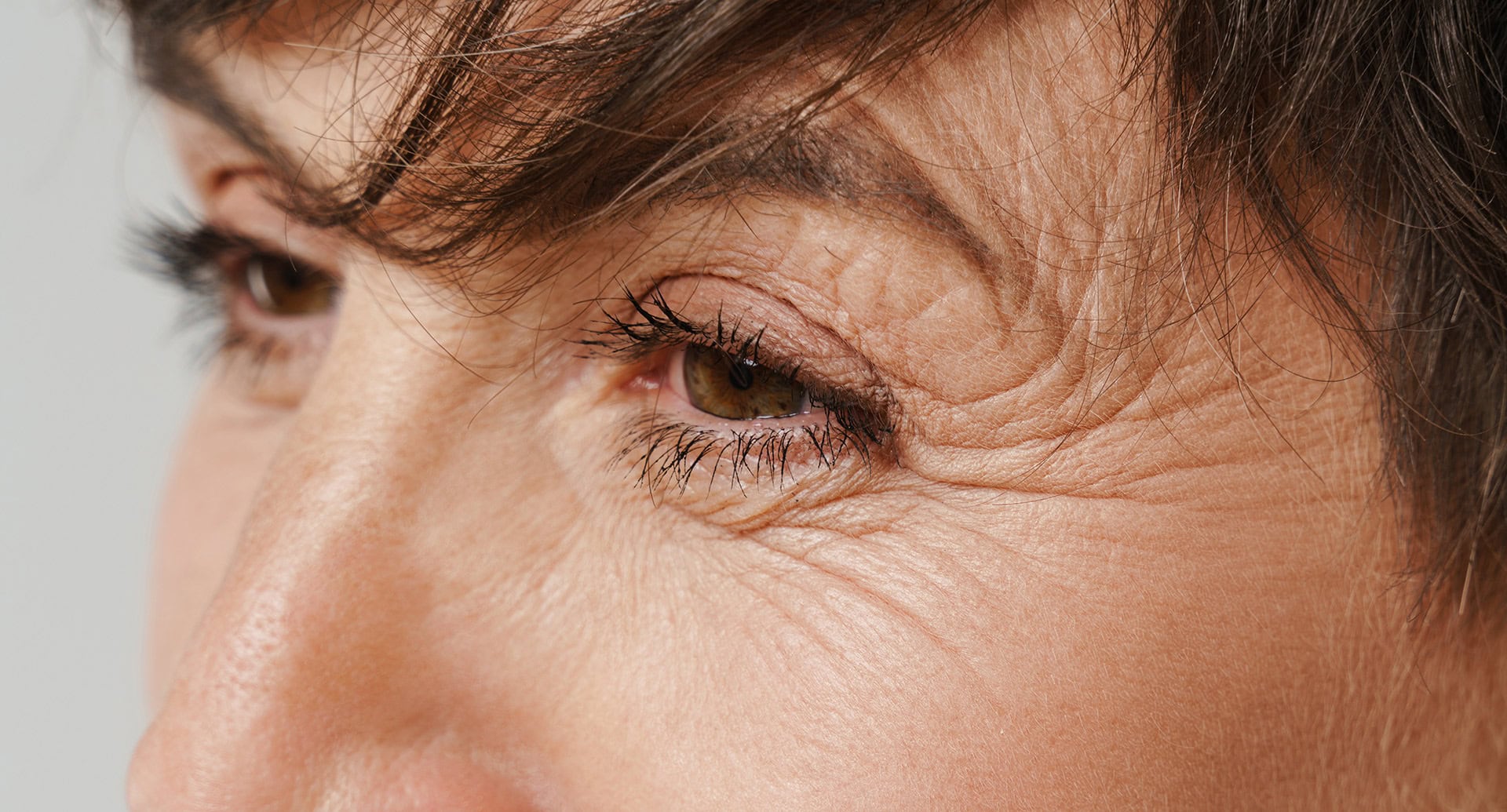
CROW’S FEET TREATMENT IN MORPETH
Eye Wrinkles
Fine lines and wrinkles around the eyes are a common sign of ageing. Often most noticeable when smiling or squinting, crow’s feet develop partly through repeated facial movements, alongside natural changes in the skin over time.
The delicate skin around the eyes can also become thinner and lose elasticity as we age, making fine lines more apparent. Sun exposure, smoking and individual genetic factors can contribute to these changes, too.
Wrinkles may also develop beneath the eyes, where the skin can take on a fine, crepey appearance. These lines differ from crow’s feet at the outer corners of the eyes and may have different underlying causes.
A considered approach to eye wrinkles
The most appropriate treatment depends on where the lines occur, their depth and whether they are primarily caused by facial movement or changes in skin quality.
For crow’s feet, treatment may focus on reducing the appearance of expression lines while preserving natural facial movement. Fine lines beneath the eyes may require a different approach, depending on the condition of the skin and individual suitability.
During a consultation, Sarah will assess the area and discuss the options that may be appropriate for you. The aim is to soften the appearance of wrinkles while maintaining a natural, refreshed expression.
Recommended Treatments
Anti-Wrinkle Injections
Anti-wrinkle injections can help soften crow’s feet caused by repeated facial movements, reducing the appearance of expression lines while aiming to preserve a natural look.
Polynucleotides
Polynucleotide treatments may help improve skin quality, elasticity and the appearance of fine lines around the eyes. Suitability depends on the condition of the skin and the nature of your concerns.
Dermoplasma
Dermoplasma may be suitable for addressing certain fine lines and skin changes around the eyes, following careful assessment by Sarah. The appropriate approach will depend on the area being treated and individual suitability.
RF Microneedling
RF Microneedling combines microneedling with radiofrequency energy to stimulate collagen remodelling and improve skin texture and firmness. It may help soften the appearance of fine lines, depending on the treatment area and individual suitability.
Your recommended treatment will be discussed during a consultation, following an individual assessment of your concerns and suitability.
Dark Circles
HEADER IMAGE
HEADER IMAGE — MOBILE
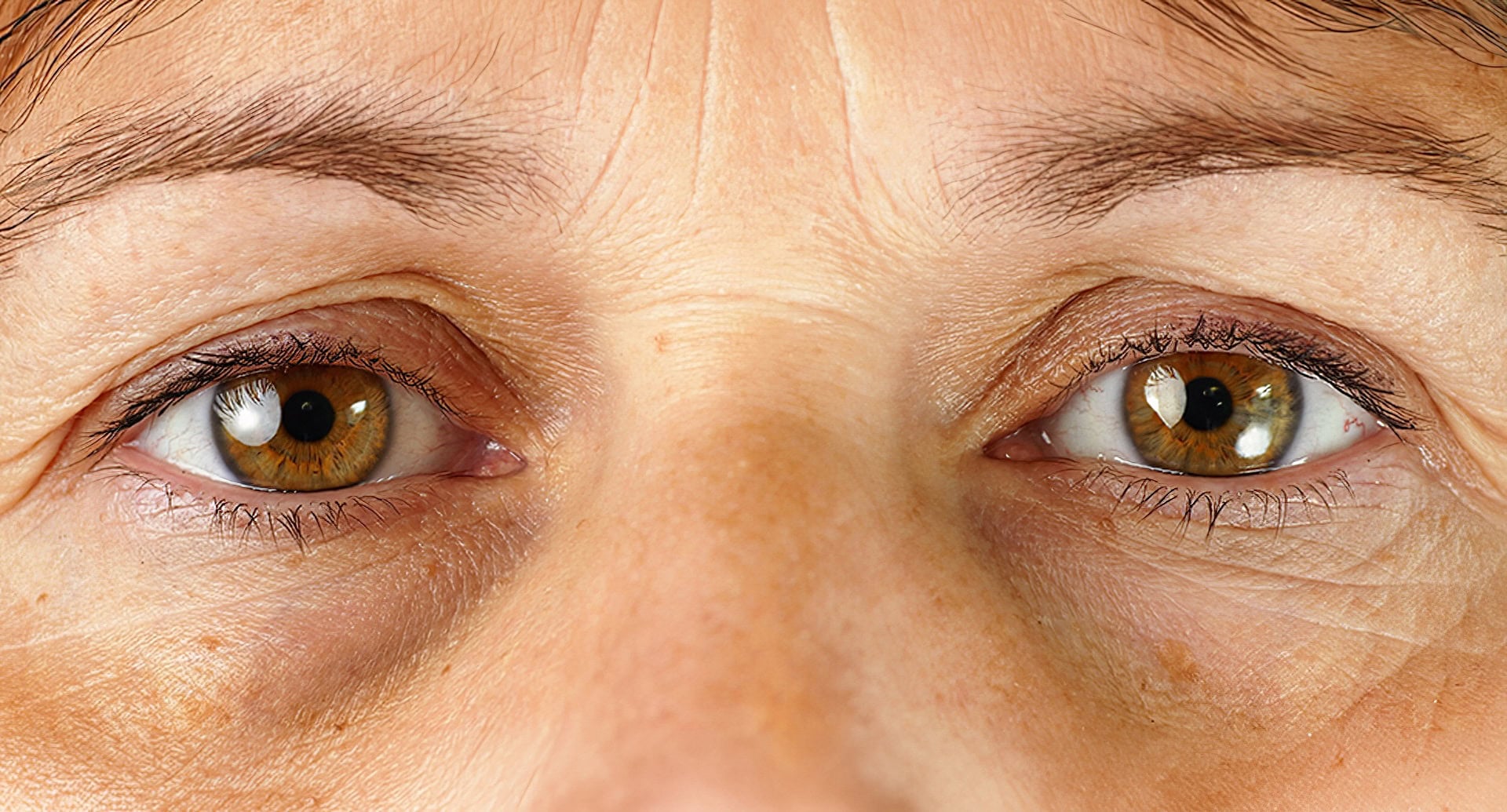
DARK CIRCLES UNDER EYES IN MORPETH
Dark Circles
Dark circles beneath the eyes can create a tired appearance, even when you feel well rested. They may be influenced by several factors, including genetics, pigmentation, thin skin, dehydration and changes in facial structure as we age.
As the skin and supporting tissues around the eyes change, loss of volume beneath the lower eyelids can create a hollow known as the tear trough. This can cast shadows that make the area appear darker or more sunken. However, not all dark circles are caused by volume loss, so identifying the underlying cause is an important part of choosing an appropriate treatment.
A considered approach to dark circles
The most suitable approach depends on the cause of the discolouration or hollowing. Polynucleotides may help improve skin quality and the appearance of fine lines beneath the eyes, while tear trough filler may be appropriate for selected patients where loss of volume contributes to a hollow or shadowed appearance.
Treatment around the eyes requires particular care. Tear trough filler is not suitable for everyone and carries specific risks, so Sarah will assess your individual anatomy, skin condition and concerns before discussing whether treatment is appropriate.
The aim is to soften the appearance of shadows and tiredness while maintaining a natural result that complements your features.
Recommended Treatments
Polynucleotides
Polynucleotide treatments may help improve skin quality, elasticity and the appearance of fine lines beneath the eyes. They may be considered where skin quality contributes to the appearance of the area, although results depend on the individual and the cause of the dark circles.
Tear Trough Filler
Hyaluronic acid dermal filler may be suitable for carefully selected patients where hollowing beneath the eyes contributes to dark shadows. Treatment requires a thorough assessment of suitability, potential benefits and risks.
Your recommended treatment will be discussed during a consultation, following an individual assessment of your concerns and suitability.
Puffy Eyes
HEADER IMAGE
HEADER IMAGE — MOBILE
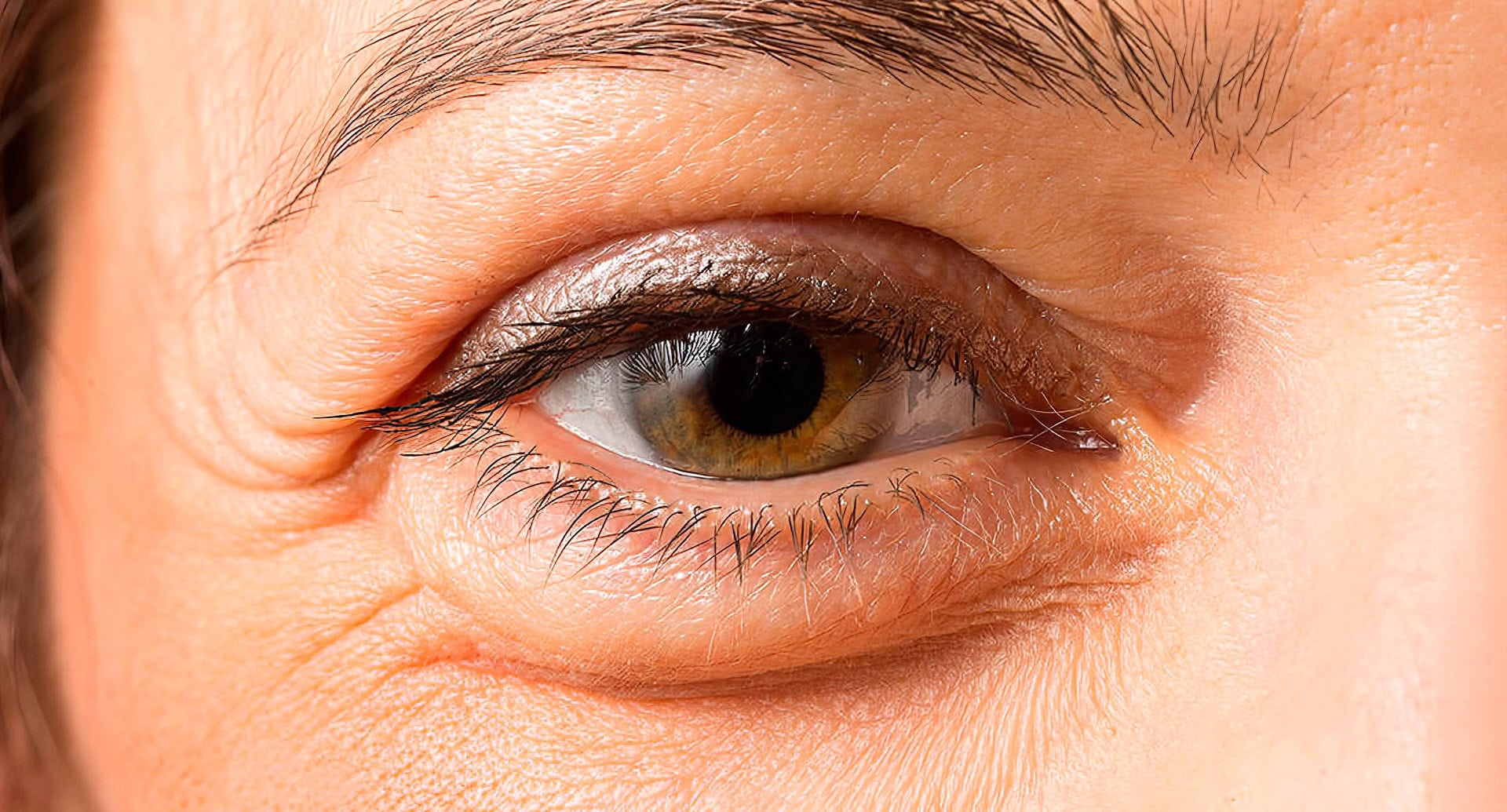
UNDER-EYE PUFFINESS IN MORPETH
Puffy Eyes
Puffiness around the eyes can create a swollen or tired appearance. It may be temporary, caused by factors such as fluid retention, lack of sleep or allergies, or become more noticeable with age as the skin and supporting tissues around the eyes change.
Age-related puffiness can sometimes occur when the natural fat beneath the eyes becomes more prominent, creating visible bags or bulges. However, under-eye swelling can have several causes, and the right approach depends on what is contributing to it.
A considered approach to under-eye puffiness
Although puffiness around the eyes is often harmless, sudden, persistent or unexplained swelling may require medical assessment. If you are concerned about the cause, speak to your GP before considering aesthetic treatment. Seek prompt medical advice if swelling is accompanied by pain, redness or changes in vision.
If your concern is primarily aesthetic, Sarah can assess the area during a consultation and discuss whether any suitable treatment options may help improve its appearance. Recommendations are always based on your individual needs, with careful consideration of the cause of the puffiness and what can realistically be achieved.
Recommended Treatments
Polynucleotides
Polynucleotide treatments may help improve skin quality, elasticity and the appearance of fine lines beneath the eyes. Suitability depends on the condition of the skin and the nature of your concerns.
Dermoplasma
Dermoplasma may be suitable for addressing certain skin concerns around the eyes, following careful assessment by Sarah. The appropriate approach will depend on the cause and appearance of the area being treated.
Your recommended treatment will be discussed during a consultation, following an individual assessment of your concerns and suitability.
Ageing Lips
HEADER IMAGE
HEADER IMAGE — MOBILE
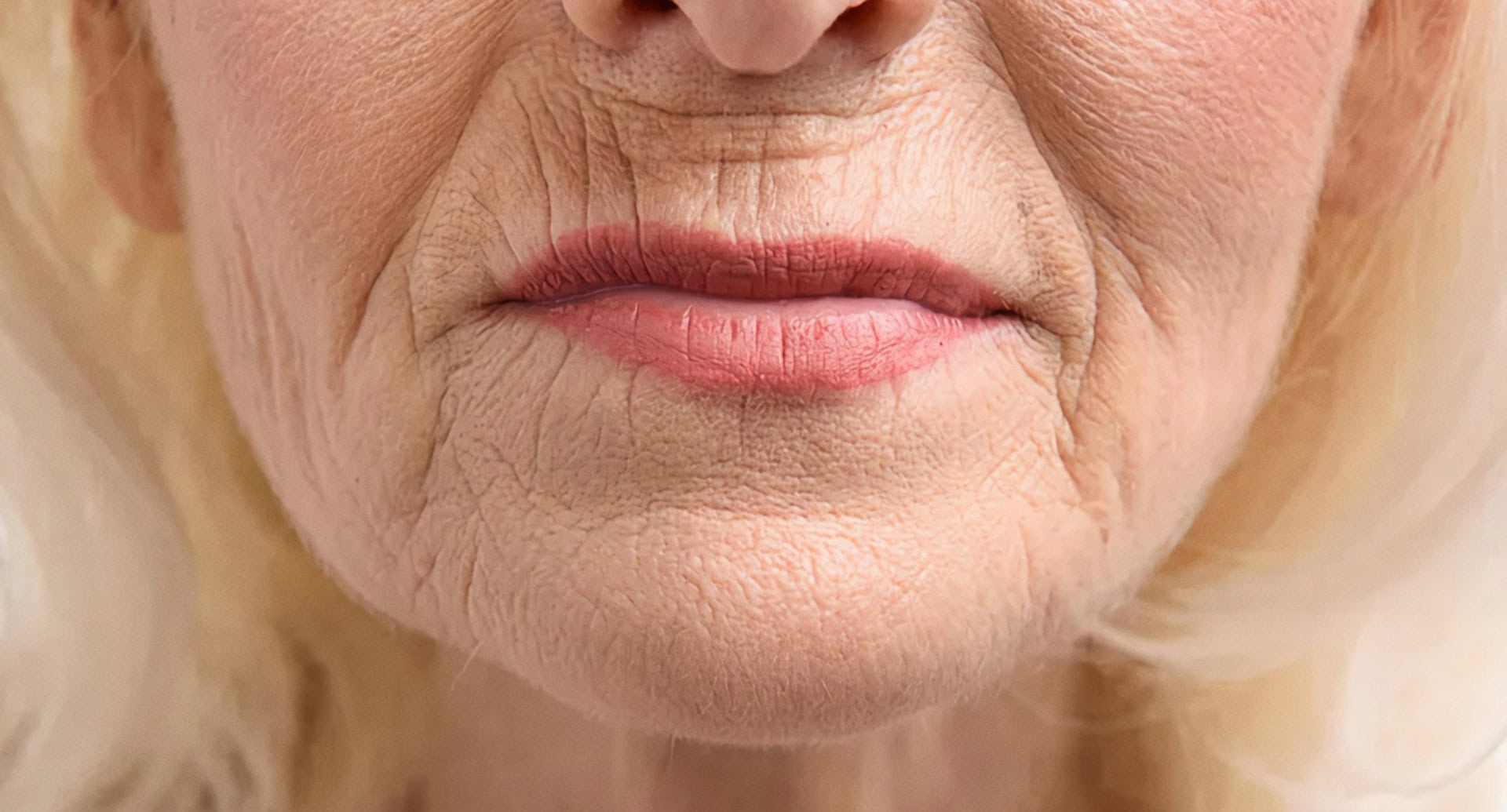
LIP REJUVENATION IN MORPETH
Ageing Lips
As we age, changes to the lips and the surrounding skin can gradually alter the shape, definition and appearance of the lower face. The lips can become thinner, while fine vertical lines can develop around the mouth, often referred to as smoker’s lines or perioral lines.
These changes are a natural part of ageing and can vary considerably from person to person. There may also be a loss of definition around the Cupid’s bow or a tendency for the corners of the mouth to appear more downturned.
A considered approach to lip rejuvenation
Dermal fillers can be used to restore subtle volume and definition to the lips and, where appropriate, soften the appearance of perioral lines or downturned mouth corners. Dermoplasma may also help improve the appearance of fine lines and changes in the skin around the mouth. Careful product selection using different viscosities allows different area of the lip to be treated with precision supporting a refined and harmonious result rather than simply adding volume.
The aim is not to create noticeably fuller lips, but to restore proportion, definition and a smoother appearance in a way that complements your natural features. Depending on your individual anatomy and concerns, treatment may focus on the lips themselves, the surrounding skin or a combination of areas.
A consultation with Sarah will establish which approach is appropriate for you and whether treatment is suitable.
Recommended Treatments
Hyaluronic Acid (HA) Dermal Fillers
Used to restore subtle volume and definition to the lips and soften the appearance of selected perioral lines or downturned mouth corners.
Dermoplasma
May help improve the appearance of fine vertical lines and other skin changes around the mouth, where appropriate following assessment.
Your treatment will be recommended following consultation, based on your individual needs and desired outcome.